German Village
독일마을
History · 89-7 , Dogil-ro, Namhae-gun, Gyeongsangnam-do
Nearby stations and stops
- Bus stop 독일마을 · straight-line 67m
Straight-line distance; the actual walk is longer · Data as of 2025-10-31
Source: Ministry of Land, Infrastructure and Transport nationwide bus stop locations
- Admission
- Not provided
- Hours
- Not provided
- Closed
- Not provided
- Parking
- Not provided
- Pets
- Not provided
- Accessibility
- Not provided
- Data status
- Source: Korea Tourism Organization TourAPI · Source updated: 2022-12-26 · Collected: Not provided
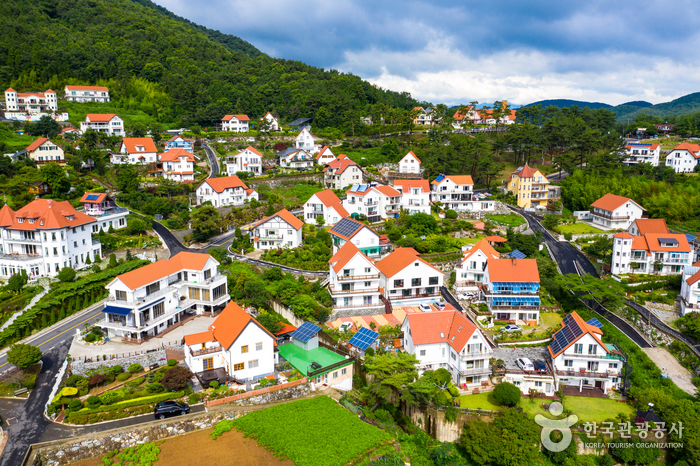
The German Village was built for Korean residents who returned from living in Germany. Many Koreans lived in Germany where they earned foreign currency during the modernization of Korea in the 1960s. The area is now a unique tourism spot related to German culture. In 2001, the areas of Mulgeon-ri, Samdong-myeon, Namhae-gun, where the Windbreak Forest (Natural Monument) is located, underwent a development worth 3 billion won ($2 million USD) implemented by Namhae-gun and eventually formed a village spanning over 99,174 ㎡. Korean residents in Germany directly imported materials from Germany to build German-style houses. Some villagers who make frequent visits to Germany operate their vacant house as a tourist guesthouse. Attractions nearby are the Windbreak Forest and the Mulmi Coastal Road, one of the most beautiful coastal drives in Korea.
In the area
Folk Villages 1 of 14 attractions in Namhae-gun
Similar places in other regions
- Gunsan Mallaengyi Village · Jeonbuk-do
- Mopyeong Village · Jeonnam-Gwangju Special Metropolitan City
- Gyeongju Yangdong Village [UNESCO World Heritage] · Gyeongsangbuk-do
- Namsangol Hanok Village · Seoul
- Yangnim History & Culture Village · Jeonnam-Gwangju Special Metropolitan City
Source: Korea Tourism Organization TourAPI