Incheon Yonggungsa Temple (용궁사 (인천))
History · 199-1, Unnam-ro, Yeongjong-gu, Incheon
Nearby stations and stops
- Yeongjong (인천국제공항선) · straight-line 1.7km
- Bus stop 영종동행정복지센터 · straight-line 427m
Straight-line distance; the actual walk is longer · Data as of 2025-10-31
Source: Korea National Railway urban rail station information · Ministry of Land, Infrastructure and Transport nationwide bus stop locations
- Admission
- Not provided
- Hours
- Open 24 hr
- Closed
- Open every day
- N/A (Open all year round)
- Parking
- Parking available
- Available
- Pets
- Not provided
- Accessibility
- Not provided
- Data status
- Source: Korea Tourism Organization TourAPI · Source updated: 2026-06-30 · Collected: Not provided
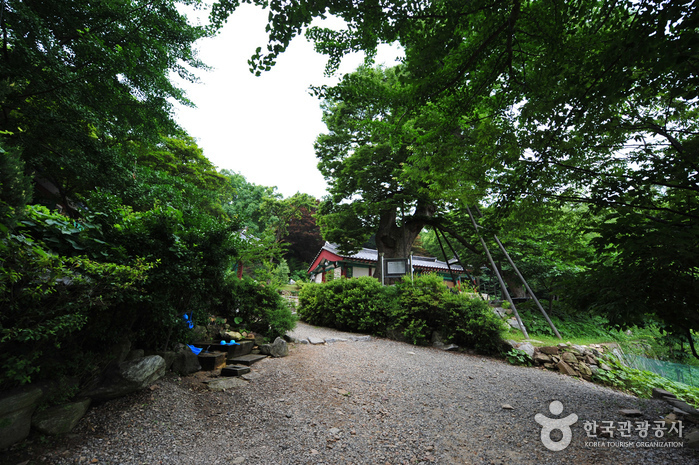
Yonggungsa Temple is located in the same region as the Incheon International Airport and sits on the northeastern slopes of Baegunsan Mountain. During the Silla Kingdom (about 1,300 years ago), the temple was named ‘Baegunsa’ by King Munmu, in reference to the temple’s mountain home. During the Joseon dynasty, it was the temporary residence of Heungseon Daewongun (1820-1898, a politician and father of King Gojong), who stayed at the temple for 10 years praying for his son to ascend to the throne. When his son was finally crowned king, Heungseon Daewongun rebuilt the temple and changed the name to Yonggungsa. The temple consists of various buildings such as Gwaneumjeon (re-constructed by Heungseon Daewongun), Yosachae (home of the monks), Chilseonggak, and Yonghwanggak. In Yosachae, the writings of Heungseon Daewongun are hung on the wall and recently, an 11 meter-high statue of Maitreya was put in place. In front of the temple are two 1,300 year-old zelkova trees.
In the area
Buddhism 1 of 23 attractions in Yeongjong-gu
Similar places in other regions
- Yongmunsa Temple (용문사(용문산)) · Gyeonggi-do
- Gameunsaji Temple Site · Gyeongsangbuk-do
- Yeongcheon Eunhaesa Temple (은해사 (영천)) · Gyeongsangbuk-do
- Jecheon Baengnyeonsa Temple (백련사(제천)) · Chungcheongbuk-do
- Yongin Waujeongsa Temple (와우정사(용인)) · Gyeonggi-do
Source: Korea Tourism Organization TourAPI