Ganghwa Seonwonsa Temple Site
강화 선원사지
History · 222, Seonwonsaji-ro, Ganghwa-gun, Incheon
Nearby stations and stops
- Bus stop 선원사 · straight-line 36m
- Bus stop 선원사초입 · straight-line 236m
Straight-line distance; the actual walk is longer · Data as of 2025-10-31
Source: Ministry of Land, Infrastructure and Transport nationwide bus stop locations
- Admission
- Not provided
- Hours
- Not provided
- Closed
- Not provided
- Parking
- Not provided
- Pets
- Not provided
- Accessibility
- Not provided
- Data status
- Source: Korea Tourism Organization TourAPI · Source updated: 2022-09-19 · Collected: Not provided
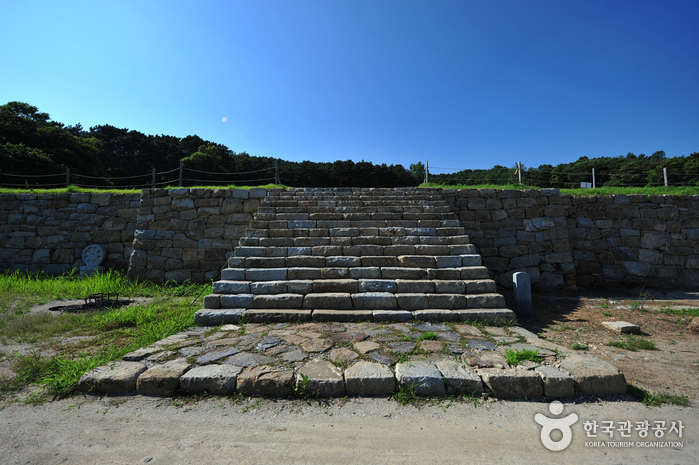
Ganghwa Seonwonsa Temple Site was first discovered in 1976 during a surface examination around Ganghwado Island undertaken by the Ganghwado Island Academic Research Team of Dongguk University. The site was designated as Historic Site No. 259 in 1977. Seonwonsa Temple was built by General Choi Wu in 1245 (the 32nd year of King Gojong’s reign during the Goryeo dynasty), which was right after the transfer of the capital to Ganghwado during resistance against the Mongolian invasion. The temple was meant to be a spiritual mainstay in fighting against Mongolia. It used to be one of the two largest temples in Korea along with Songgwangsa Temple. However, the temple was completely destroyed during the early Joseon era, leaving only the site itself. The famous wood blocks of Palman Daejanggyeong (the Tripitaka Koreana), currently housed in Haeinsa Temple at Hapcheon, are said to have been originally stored in Seonwonsa Temple. It is believed that the carved wood blocks were taken from Seonwonsa to Heungcheonsa Temple during the Joseon era and again moved to Haeinsa Temple during the reign of Sejo. Located on a mountain slope, the presumed location of the building site extends 250 meters from south to north and 170 meters from east to west.
In the area
Historical Remains 1 of 24 attractions in Ganghwa-gun
Similar places in other regions
- Daeheungsa Temple [UNESCO World Heritage] · Jeonnam-Gwangju Special Metropolitan City
- Seoul Doseonsa Temple (도선사(서울)) · Seoul
- Bongwonsa Temple · Seoul
- Bongjeongsa Temple [UNESCO World Heritage] · Gyeongsangbuk-do
- Gunsan Dongguksa Temple (동국사(군산)) · Jeonbuk-do
Source: Korea Tourism Organization TourAPI