Ononsa Guesthouse
온온사
History · 58 Gwanaksan-gil, Gwacheon-si, Gyeonggi-do
Nearby stations and stops
- Gwacheon (안산과천선) · straight-line 519m
- Government Complex Gwacheon (안산과천선) · straight-line 1.1km
- Bus stop 과천초등학교.래미안에코팰리스 · straight-line 213m
- Bus stop 과천초등학교.10단지 · straight-line 234m
Straight-line distance; the actual walk is longer · Data as of 2025-10-31
Source: Korea National Railway urban rail station information · Ministry of Land, Infrastructure and Transport nationwide bus stop locations
- Admission
- Not provided
- Hours
- Not provided
- Closed
- Not provided
- Parking
- Not provided
- Pets
- Not provided
- Accessibility
- Not provided
- Data status
- Source: Korea Tourism Organization TourAPI · Source updated: 2023-07-17 · Collected: Not provided
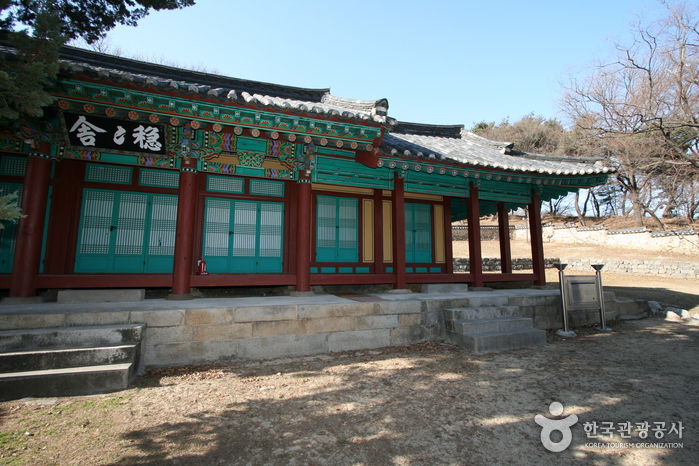
Though Ononsa, which was a guesthouse in Gwacheon, was constructed in the 27th year of King Injo's reign in the Joseon dynasty (1649), the name, "Ononsa," was given to this area during the reign of King Jeongjo. On February 11, 1790 during his royal procession to the tomb of his father, Crown Prince Sado, stayed at an inn in Gwacheon and, as he felt that it "has nice views and provides a comfortable stay," he bestowed upon the place plaques that he wrote himself - "Ononsa" to Seoheon and "Burimheon," which was the old nickname of Gwacheon, to Dongheon. This is how this place began to be called Ononsa. It was designated as a Tangible Cultural Heritage of Gyeonggi-do on June 2, 1980, and it was restored on December 2, 1986 after being torn down.
In the area
Shrines 1 of 4 attractions in Gwacheon-si
Similar places in other regions
- Bongwonsa Temple · Seoul
- Incheon Yonggungsa Temple (용궁사 (인천)) · Incheon
- Nonsan Myeongjae House · Chungcheongnam-do
- Gyeonghuigung Palace · Seoul
- Gunsan Dongguksa Temple (동국사(군산)) · Jeonbuk-do
Source: Korea Tourism Organization TourAPI